
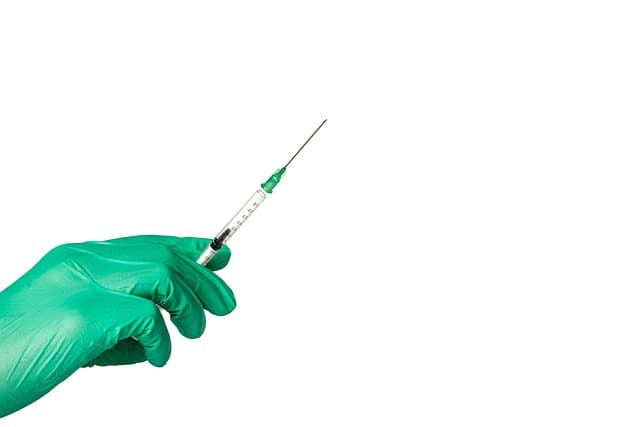
A vaccine against a new coronavirus developed by Moderna provides protection against infection of greater than 90% and, according to clinical trials, has similar efficacy in all age groups over 18 years of age. The following is an excerpt from a summary of the drug’s key properties published by the Drug Department.
Both the Pfizer and Moderna vaccines use a new immunization technology based on so-called matrix or information ribonucleic acid (mRNA, English messenger RNA or mRNA). Traditional vaccines use a weakened or dead virus to stimulate the body’s immune system, while in the Moderna vaccine, the instruction to cells to produce the spike proteins of the coronavirus is delivered by lab-created mRNA packaged in SM-102 lipid nanoparticles. Unlike the actual virus, these proteins elicit an immune system response without reproducing the virus.
Efficacy
The effectiveness of the Moderna vaccine was tested in a US clinical trial involving about 30,000 people, half of whom received the vaccine and the other half a placebo. The average age of the study participants was 52 years. 75% were in the age group of 18 to 65 years old, while the rest were over 65 years old.
Vaccine efficacy was assessed by the number of confirmed COVID-19 cases that occurred at least 14 days after the second dose of the vaccine. There were 11 cases in the vaccine group and 185 cases in the placebo group. However, there were no cases of severe COVID-19 in the vaccinated group and 30 (16%) in the placebo group. Thus, the overall efficacy of the vaccine was estimated at 94.1%, and in the group over 65 years of age it was 86.4%.
Generally, a vaccine is considered good if its efficacy is at least 60%.
The duration of immunity provided by the vaccine is not yet known because the relevant clinical trials have not yet been completed. Full protection is achieved 14 days after the second dose of the vaccine.
The marketing authorization for the product in the EU was granted on the basis of conditional approval of the vaccine. This means that further confirmations of the vaccine’s properties are awaited. The European Medicines Agency (EMA) will review the information received at least once a year and, if necessary, update the summary of the vaccine properties.
Side effects
In the total number of reported side effects, people most commonly complained of injection site pain (92%), fatigue (70%), headache (65%), muscle pain (62%), joint pain (46%), chills (45%), nausea/vomiting (23%), swelling/painful lymph nodes (20%), elevated body temperature (16%), and injection site swelling and redness (15% and 10%, respectively).
Side effects were generally mild to moderate, disappearing within a few days after vaccination, with older people complaining of side effects less frequently than younger people. Local or systemic side effects were reported more frequently after the second dose of vaccine.
Precautions for use
Anaphylactic reactions have been reported during vaccine trials, so observation for 15 minutes after vaccination is recommended. People who have had such a reaction after the first dose of vaccine should not be given a second dose.
Vaccination during pregnancy should only be considered if the potential benefits outweigh the possible risks to the mother and fetus. There is no information on whether Moderna vaccine passes into breast milk. Animal tests have shown no direct or indirect harmful effects on reproduction.
No data are available on whether Moderna can be used in combination with other coronavirus vaccines. Persons who have received the first dose of Moderna vaccine must receive a second dose of the same vaccine to complete the course of vaccination.
Vaccination and storage
Moderna vaccine is administered intramuscularly, preferably into the deltoid muscle of the upper arm.
The vaccine is supplied in ampoules containing 10 doses each. It is indicated for use in people 18 years of age and older and is administered in two 0.5-mL doses with a recommended 28-day interval.
Closed ampoules with the drug can be stored for seven months in a deep freeze at a temperature of -25 to -15 degrees Celsius, but not below -40 degrees Celsius.
Closed ampoules can be stored in a refrigerator at +2 to +8 degrees Celsius for 30 days; once thawed, the vaccine must not be re-frozen.
The maximum storage time of a closed ampoule at a temperature of +8 to +25 degrees is 12 hours.
The drug is proven to retain its physicochemical properties for 6 hours after opening the ampoule at a temperature of +2 to +25. However, it is recommended to use the vaccine as soon as possible after opening the ampoule to prevent microbiological contamination.