
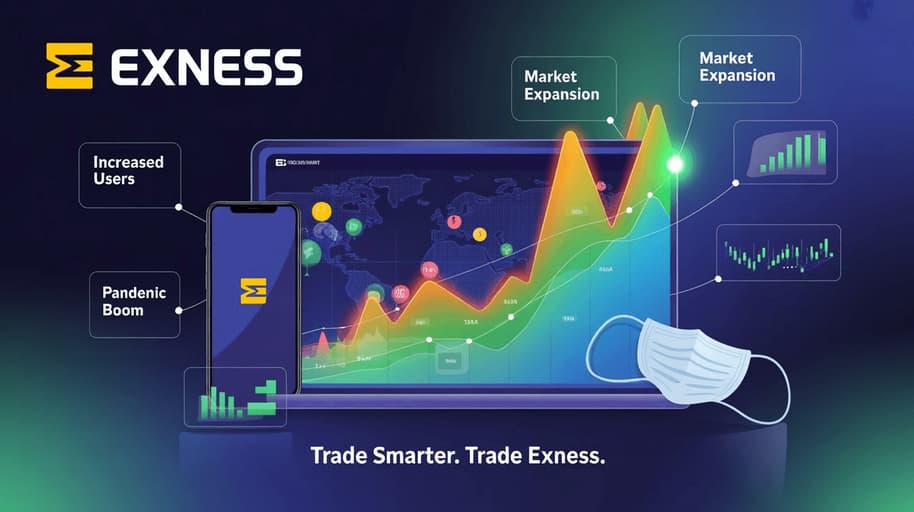
During the COVID-19 pandemic, online trading platforms experienced an unprecedented surge in popularity, driven largely by shifts in consumer behavior and market accessibility. As lockdowns confined people to their homes, many turned to digital platforms not only as a source of income but also as a new form of engagement. The combination of volatile markets, stimulus payments, and low entry barriers created an ideal environment for first-time investors. Platforms such as the Exness app capitalized on this trend by offering user-friendly interfaces, low-cost trading options, and real-time analytics, making it easier for everyday users to access global financial markets without traditional brokerage firms.
This digital acceleration reshaped the trading landscape by democratizing access and introducing millions of new participants to global markets. Mobile-first platforms and apps saw record downloads, with user bases expanding rapidly among younger demographics, particularly those aged 18 to 35. Social media also played a pivotal role, with communities forming around stock tips, crypto trends, and trading strategies. In this evolving environment, platforms that offered educational tools, seamless onboarding, and low fees—like the Exness gained a competitive edge, bridging the gap between novice traders and complex financial instruments. The pandemic, while disruptive, ultimately served as a catalyst for transforming trading from a niche activity into a mainstream digital experience.
Definition of Online Trading Platforms
Online trading platforms are digital interfaces—typically web-based or mobile applications—that allow individuals and institutions to buy and sell financial instruments such as stocks, bonds, currencies, commodities, and derivatives over the internet. These platforms serve as intermediaries between traders and the financial markets, offering a range of services including real-time market data, charting tools, order execution, portfolio management, and access to research and analytics.
Modern trading platforms are designed to be user-friendly and accessible to both seasoned investors and beginners. They eliminate the need for traditional, phone-based broker services, reducing transaction costs and empowering users to manage their investments independently. Examples include brokerage platforms like E*TRADE and Fidelity, as well as more app-centric offerings like Robinhood and the Exness, which provide easy access to forex and CFD trading.
Online trading platforms come in various forms, each designed to cater to different types of traders, asset classes, and levels of experience. Below is a breakdown of the most common types:
Stock Trading Platforms
These platforms allow users to buy and sell shares of publicly traded companies.
- Examples: E*TRADE, TD Ameritrade, Robinhood
- Features: Real-time quotes, market orders, limit orders, and portfolio tracking
Forex Trading Platforms
Specialized in currency trading (foreign exchange), these platforms offer tools to trade global currency pairs.
- Examples: Exness app, MetaTrader 4/5, OANDA
- Features: High leverage, real-time currency charts, economic calendars, and tight spreads
Cryptocurrency Trading Platforms
Focused on digital asset trading, these platforms facilitate the buying, selling, and storing of cryptocurrencies.
- Examples: Binance, Coinbase, Kraken
- Features: Support for multiple coins, wallets, staking, and trading bots
Commodity Trading Platforms
Allow users to trade physical or derivative commodities like gold, oil, and agricultural products.
- Examples: Interactive Brokers, Plus500
- Features: Futures contracts, options, CFD access, and market analysis tools
Options and Derivatives Platforms
Cater to more advanced traders who engage in options, futures, and other complex financial instruments.
- Examples: thinkorswim (by TD Ameritrade), Tastyworks
- Features: Advanced charting, option chains, volatility analysis, and strategy simulators
Multi-Asset Platforms
Support trading across a wide range of asset classes—including stocks, forex, crypto, and indices—on one platform.
- Examples: eToro, IG, Exness app
- Features: All-in-one dashboards, copy trading, cross-asset portfolio management
Social Trading Platforms
Enable users to follow, copy, or interact with other traders, often used by beginners.
- Examples: eToro, ZuluTrade
- Features: Copy trading, trader rankings, community features, and performance transparency
Background on Online Trading Platforms
Online trading platforms emerged in the late 1990s and early 2000s as internet access became widespread and financial institutions sought ways to offer retail investors more autonomy. Initially, these platforms were basic, offering simple buy and sell functionalities with delayed market data. Over time, however, they evolved into sophisticated systems that provided real-time quotes, advanced charting tools, research reports, and multi-asset trading capabilities. This evolution was driven by technological advancements, increasing demand for transparency and convenience, and the rise of fintech innovation.
Prior to the digital shift, most individuals relied on traditional brokers to execute trades, which involved higher fees and limited access to real-time information. The democratization of trading began when platforms like E*TRADE and Charles Schwab introduced online services that removed many of these barriers. In more recent years, mobile-first solutions like Exness and Robinhood have taken accessibility a step further by allowing users to trade directly from their smartphones with minimal cost, simplified interfaces, and 24/7 access to global markets. These developments have redefined the financial landscape, transforming trading into an activity that is no longer limited to professionals or the wealthy.
Benefits of Online Trading Platforms
Online trading platforms offer a wide array of benefits that have revolutionized how individuals and institutions engage with financial markets. One of the most significant advantages is convenience. Traders can access markets from anywhere in the world using a computer or mobile device, eliminating the need to physically contact brokers or visit financial institutions. Platforms like the Exness provide 24/7 accessibility, enabling users to monitor prices, place trades, and manage their portfolios in real time—even across different time zones and asset classes.
| Key Benefit | Description |
| Convenience and Accessibility | Trade from anywhere, anytime via desktop or mobile apps (e.g., Exness app).No need for physical broker visits or calls. |
| Lower Costs and Fees | Reduced or zero commission trading.Lower overhead compared to traditional brokerage services. |
| Real-Time Market Access | Live price quotes, instant order execution, and up-to-date market news.Faster response to market movements. |
| Wide Range of Financial Instruments | Access to stocks, forex, commodities, cryptocurrencies, CFDs, and more.Ability to diversify portfolios easily. |
| User-Friendly Interfaces | Intuitive designs for beginners and advanced users alike.Streamlined navigation and trade execution. |
| Advanced Analytical Tools | Charting software, technical indicators, and forecasting models.Helps users make data-driven decisions. |
| Educational Resources | Tutorials, webinars, articles, and demo accounts for skill development.Encourages self-education and independent trading. |
| Portfolio Management and Tracking | Real-time monitoring of positions and performance.Tools for risk assessment and trade history analysis. |
| Transparency and Control | Full visibility into pricing, fees, and trade execution.Direct control over investment decisions. |
| Rapid Technological Innovation | Regular updates, new features, and integration with fintech tools.Enhances user experience and platform capabilities. |
How Growth Online Trading Platforms During the Pandemic
The COVID-19 pandemic significantly accelerated the growth of online trading platforms due to a convergence of economic, social, and technological factors. As lockdowns and work-from-home mandates took effect worldwide, millions of people found themselves with more free time, limited entertainment options, and—in many regions—government stimulus checks or savings due to reduced consumer spending. This created a perfect environment for individuals to explore alternative income-generating activities, such as online trading. Platforms like the Exness experienced sharp increases in user registrations and daily trading volume as retail investors flocked to financial markets for the first time.
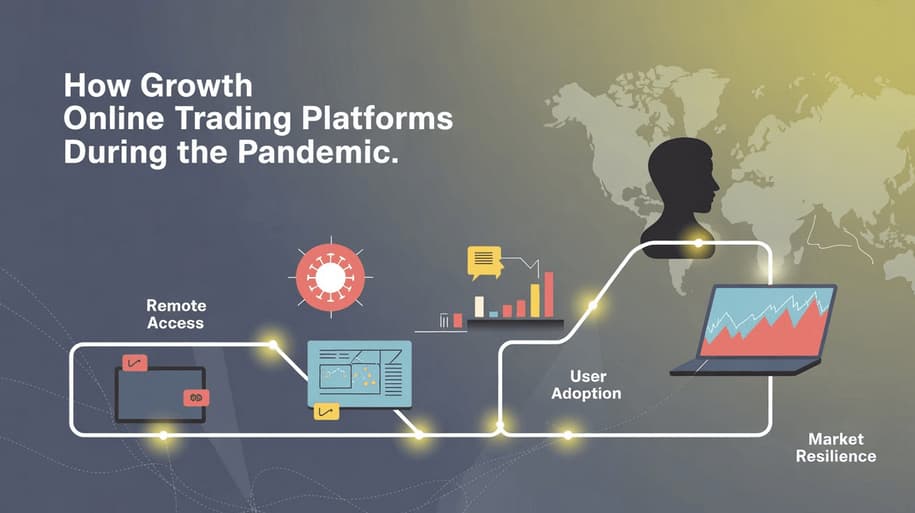
At the same time, unprecedented market volatility sparked global interest in stock prices, forex pairs, and cryptocurrencies, creating short-term opportunities that many users tried to capitalize on. Online platforms responded by making trading more accessible, offering mobile-friendly apps, zero-commission models, and easy account setup. Additionally, the influence of social media platforms like Reddit and YouTube played a major role in fostering “community trading,” where individuals shared insights and strategies in real time. This collective momentum, paired with digital convenience and educational resources, led to a surge in first-time traders and a dramatic expansion of the online trading ecosystem during the pandemic.
Conclusion
The COVID-19 pandemic served as a powerful catalyst for the expansion and mainstream adoption of online trading platforms. Amid global uncertainty, economic shifts, and lifestyle changes, millions turned to digital finance tools as a means to invest, earn, and stay engaged with the markets. The convergence of increased free time, stimulus-driven liquidity, and volatile market conditions created a unique environment that accelerated user adoption and platform innovation.
Trading apps like the Exness exemplified this transformation by offering accessible, real-time trading solutions tailored to both novice and experienced users. With intuitive interfaces, reduced fees, and educational support, these platforms democratized market access and reshaped how individuals participate in global finance. As a result, what began as a pandemic-driven trend has evolved into a long-term shift in the investment landscape—one that is digital-first, user-centric, and rapidly evolving.